
A landlord with a fourplex below Ventura Boulevard and a board running sixty condos ask us the same opening question: what should the chimney line in next year's budget say? Our answer is built on a per-fireplace figure, so a building's total rises and falls with its count of fireboxes and nothing else. This post lays out those figures for owners in Sherman Oaks and the rest of our area, what each one buys, and how a building visit turns into one invoice.
Three figures cover most rental work
Spalding Chimney Group publishes three prices. Everything a manager books on a routine basis sits under one of them:
- Yearly visual check, billed per firebox: $52
- Camera-level Level 2, the flue filmed and recorded: $370
- Sweeping one flue clear of soot and debris: from $395
Repairs are a different matter. A cracked crown, a rusted damper plate or a gap in the flashing has no fixed figure here, because two stacks on the same street can differ by a wide margin. We price those once someone has been on the roof, and the price reaches you on paper before any work is scheduled.
What the $52 visit covers in an occupied unit
NFPA 211 is the fire code chapter that insurers, lenders and city inspectors lean on when chimneys come up. It names three depths of inspection. The routine one, Level 1, fits a unit whose fireplace burned the same fuel in the same way last season and has not been altered.
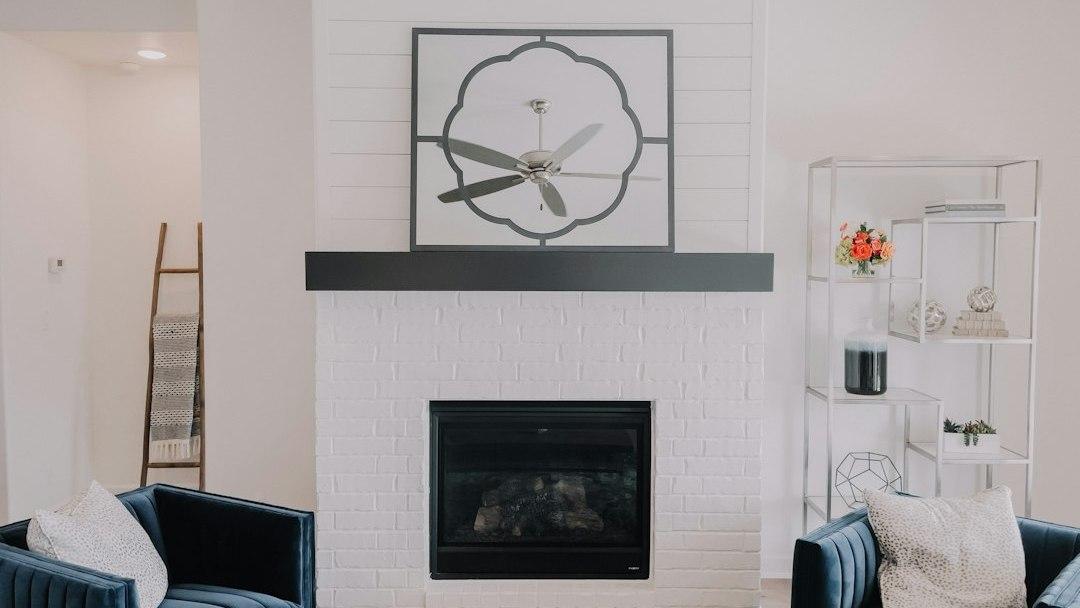
In a tenant's living room that looks like this. The technician lays a cover over the hearth, opens the damper, puts a light on the firebox walls and the throat, and checks whatever part of the flue can be seen from below. Then the roof: crown, cap and the brick or siding above the roofline. Every finding is written against the unit number, with a photo where one helps.
The reason a per-unit figure works for a building is that the fixed effort is shared. The ladder goes up once for a stack that serves three apartments. One roof walk covers every cap on the property. You are billed for each firebox, not for each trip up the ladder.
When a unit moves up to $370
The camera level costs more because it answers questions a flashlight cannot. We recommend it for a unit when:
- You have just bought the building and nobody can tell you how earlier tenants used the fireplaces.
- A unit had a flue fire, or a tenant reported smoke rolling back into the room.
- A wood firebox is about to get a gas insert or a new log set.
- The structure has been through a hard shake. The 1994 quake was centred under the San Fernando Valley, and plenty of Sherman Oaks chimneys were rebuilt or braced after it. A rebuilt stack still deserves a look after any strong aftershock or new event.
At Level 2 the camera goes the full height of the flue and the footage is kept with the report. When an insurer or a buyer asks about a tile joint, you can show it rather than describe it. The scope is set out on our Level 2 inspection page.
How a building visit becomes one invoice
The invoice lists each unit on its own line. Take an eight-unit courtyard building where five apartments have a working fireplace. That visit carries five Level 1 lines at $52 each and nothing at all for the three units without one.
Now suppose one of those five shows something that only a camera can settle, such as a dark streak running down the flue liner. We flag that unit by number and explain the reason. You choose whether to move it up to a Level 2. The other four stay at the routine figure. Nothing is upgraded on the day without your approval.
Sweeping works the same way. A flue coated in soot cannot be read properly, so where one needs it we note the unit and price the sweep at from $395 for that flue. Gas units rarely need a sweep; wood units used every winter often do.
What sets the final number for your buildings
A per-building total depends on four things, and none of them is guesswork:
- How many units have a fireplace or stove that is in use
- Which of those burn wood and which burn gas
- Whether any unit needs the camera because of a purchase, a fire or a change of fuel
- How many flues need sweeping before they can be judged
Ask for a per-building price and list each address with the number of fireplaces it holds. The written total comes back with one line per unit.
The record you get back
Each unit gets its own page in the report: building, unit number, date, inspection level, what was seen and photos of anything that matters. Every page ends in one of three plain verdicts: usable as it stands, needs attention this year, or shut until repaired. The pages are bundled one file per building.
Managers tell us they use that file in three places. It goes in the lease folder, so a later dispute about a fireplace has a dated starting point. It goes to the insurer at renewal, when the carrier asks whether solid-fuel appliances are being maintained. And it goes to the owner or the board, who signs off on any repair line. Our property manager and HOA page shows how those records are laid out.
Fitting the visit around tenants
You give tenants whatever entry notice the lease and state law require. We give you a visit window to put in that notice and work through the units in an order you choose, usually the ones with someone at home first. A unit that is locked with nobody present on the day is marked as missed and rebooked, rather than skipped quietly.
For a wider view of what a yearly check involves, see our chimney inspection page. If gas fireplaces make up most of your units, our post on gas fireplace upkeep in rentals covers that side.
A Sherman Oaks building schedule starts on our contact page; the first reply lists every unit and its price.
Want Every Unit on File Before Winter?
Spalding Chimney Group checks each unit, services the gas fireplaces and leaves a dated page per door. Buildings in Sherman Oaks, Culver City, Los Angeles and Santa Clarita share route days.