Pigeons in a flue, a tenant's rug soaked by a winter storm, a squirrel loose in a living room: on rental property, most of the calls that start at the top of a chimney trace back to a missing or failed cap. For owners in Sherman Oaks a cap is one of the smaller items on a building's chimney list, and one of the few that prevents several kinds of trouble at once. This post covers what owners are buying, why the price range is so wide, and how a building gets capped in one visit.
What a missing cap costs a landlord
Without a cap, a flue is an open pipe pointed at the sky. On a house the owner lives in, that is an annoyance. On a rental, each problem lands on the owner with a tenant in the middle:
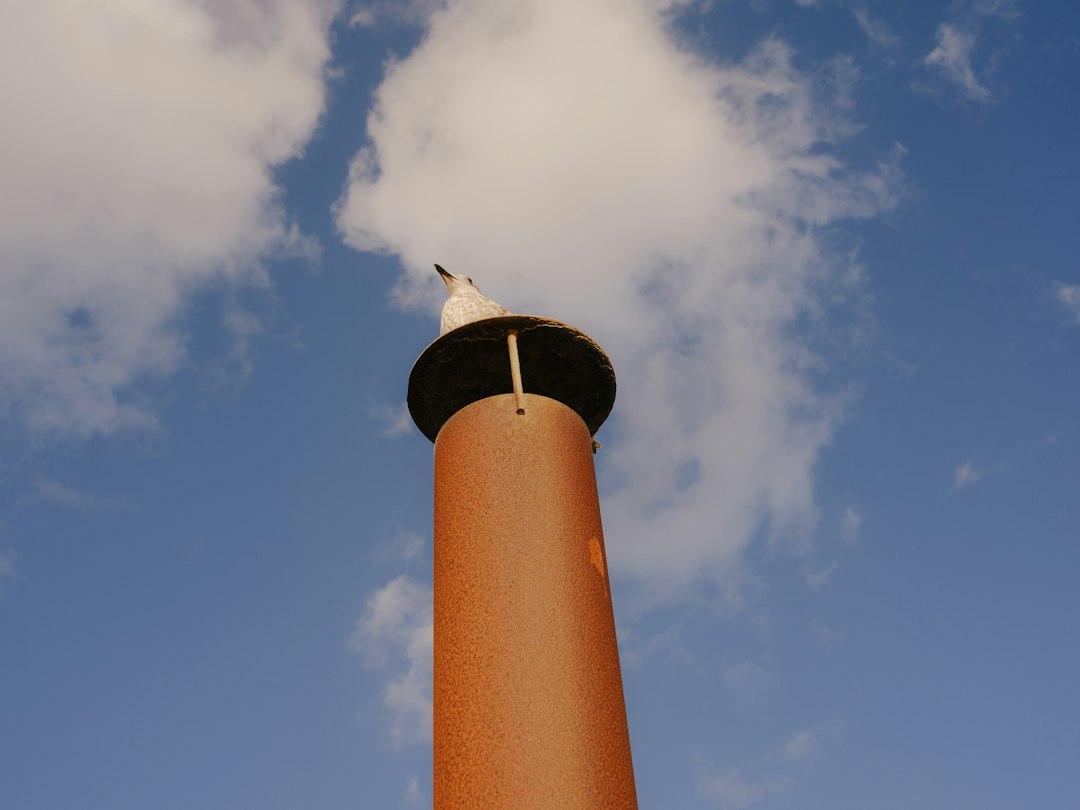
- Birds and small animals nest in the flue, then the tenant lights a fire or turns on a gas log set.
- Winter storms send water straight into the firebox and onto the damper, which rusts shut.
- Leaves and debris pile on the smoke shelf and catch when the fireplace is used.
- Embers leave the top of the stack. With brush on the hillsides south of Ventura Boulevard and Santa Ana winds in the fall, that is not a small thing.
- An insurer's inspector who sees an uncapped flue from the street writes it down.
Each of those turns into a service call, sometimes a tenant complaint, occasionally a claim. A cap is a fixed cost that removes most of them.
Single-flue caps, full-crown caps and factory chimneys
The right cap depends on what the stack looks like from the roof:
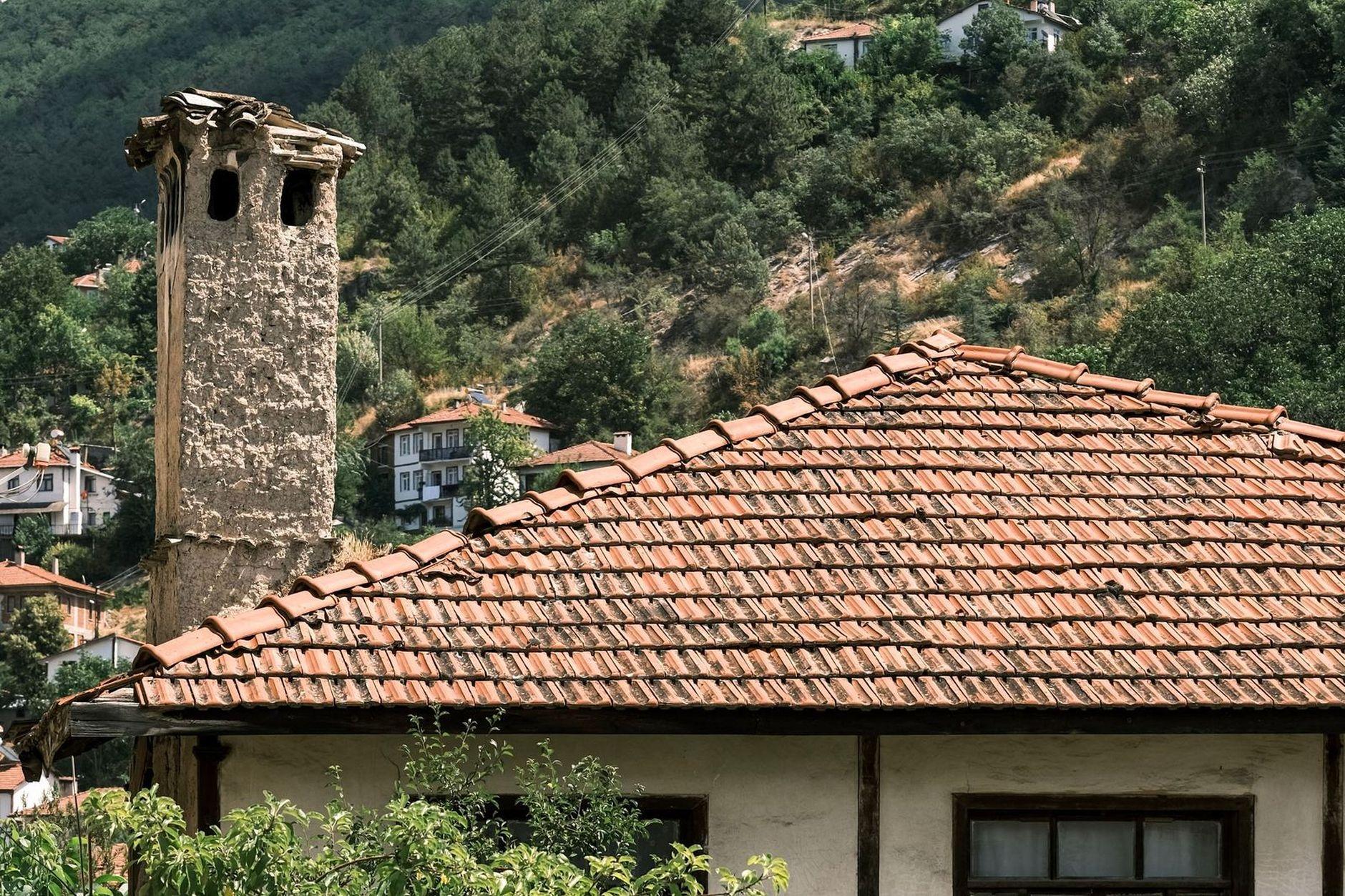
- A brick chimney with one flue tile sticking up usually takes a cap that clamps to that tile. It is the lowest-cost option.
- A stack with two or three flues, common on duplexes and older apartment buildings where each unit has its own fireplace, often takes one cap that covers the whole top and screens every flue at once.
- A metal flue inside a wood-framed chase, typical of buildings from later decades, needs the cap made for that system by its maker. A generic cap on a listed metal chimney can void the listing.
We match the type to the stack rather than to a catalogue. The details are on our chimney cap installation page.
Why caps are quoted on site
At Spalding Chimney Group, no two cap prices match, because no two chimney tops do. We measure the flue on the roof and quote from that.
The simplest job is a single-flue cap on a one-storey house with a gentle roof, fitted to a sound tile. One person, a short ladder and a short visit.
The job that costs the most is a made-to-measure cap spanning a wide crown with several flues on a two- or three-storey building with a steep pitch. The top has to be measured, the cap fabricated, and the crew needs roof protection and more time up there.
The figure on your quote depends on what we find, and it reaches you in writing before anyone climbs back up to fit it.
What sets the price on your building
These are the items that move a cap quote up or down:
- The number of flues on each stack and whether one cap can cover them all
- The size and shape of the chimney top
- Roof height, pitch and access
- Whether the tile or crown under the cap is sound enough to hold it
- How many stacks on the property are getting caps in the same visit
Get a cap price for your property, listing each building, how many chimneys it has and, if you know it, whether any already have a cap. We reply with a written figure per stack.
When the crown has to come first
A cap fastened to a crumbling crown will not stay put. If the mortar top of the chimney has broken up, we say so in the quote and price the crown work as a separate line, so the owner can see both and decide. Crown work has no published figure here; it depends on the size of the top and how far the damage goes. Our crown repair page explains what that visit covers.
The same goes for a flue tile that is cracked at the top. A cap does not fix a cracked tile; it just hides it. A Level 2 inspection at $370 settles whether the tile below is sound before money goes into the top.
Capping a whole building in one visit
For a multi-unit property, the efficient approach is to do every stack at once. One roof setup, one notice to tenants, one record. The work happens on the roof, so most tenants never need to let us in. The only exception is a unit where we want to check the damper or look up the flue from below.
The report lists each stack by location, such as "north side, serves units 3 and 4", with a photo of the top before and after. That page is what an insurer or a lender usually asks to see when a cap was flagged on an earlier report.
Caps and the yearly check
A cap is not a one-time fix. Mesh clogs with soot and leaves; fasteners loosen; a cap on the coast side of the hills rusts faster than one inland. We look at every cap during the routine $52 per-fireplace check and note any that are loose or blocked. The rental chimney inspection pricing post explains how those checks are billed across a building.
If the cap is missing because water was already getting in, our post on chimney leaks in a rented unit covers how that is traced and priced.
Owners with stacks to cap in Sherman Oaks or nearby can start the request on our contact page.
Want Every Unit on File Before Winter?
Spalding Chimney Group checks each unit, services the gas fireplaces and leaves a dated page per door. Buildings in Sherman Oaks, Culver City, Los Angeles and Santa Clarita share route days.